
Australia, Nov 28, 2026
Australia is raising the bar on critical infrastructure resilience. Updates to the Security of Critical Infrastructure Act 2018 framework mean affected organisations need to think beyond traditional cyber security and consider the entire environment, including technology, data, people, suppliers and the infrastructure supporting critical services.
For technology leaders, this raises practical questions:
- Where does our critical data live?
- Who can access it?
- What third parties do we depend on?
- How quickly could we recover if critical infrastructure became unavailable?
Who is in scope?
The SOCI Act covers 11 sectors: communications; financial services and markets; data storage or processing; defence industry; higher education and research; energy; food and grocery; healthcare and medical; space technology; transport; and water and sewerage.
Not every organisation in these sectors is subject to every requirement. Obligations generally depend on the defined critical infrastructure assets an organisation owns, operates or has a direct interest in.
What has changed?
Enhanced Critical Infrastructure Risk Management Program requirements introduced in June 2026 apply to nine asset classes across electricity, gas, liquid fuel, energy markets, water, broadcasting, domain name systems and freight.
They strengthen consideration of cyber threats, supply-chain vulnerabilities, insider threats, foreign influence, physical threats and natural hazards. The enhanced framework also draws attention to offshore and remote access to critical components and business-critical data.
The message is not simply “increase cyber security”. It is understanding where critical services and data sit, who can reach them, what they depend on and how you will keep them operating.
Five areas organisations should be looking at now
1. Know where your critical data resides
Identify where critical and sensitive data, copies and backups are stored, who administers the underlying infrastructure and where privileged access originates.
Where sovereignty helps: Keeping particularly sensitive workloads and supporting infrastructure within Australian jurisdiction can make residency, operational control and governance easier to demonstrate. Consider this alongside application, regulatory and business needs; not every workload requires the same model.
2. Understand remote and offshore access
Data centre location is only part of the picture. Privileged identities, offshore support teams, remote administration tools and third-party access can all change risk exposure.
Sovereignty therefore needs to include operational sovereignty: control over access, administration, security and supporting infrastructure, not simply where data is located.
3. Treat data protection as a resilience issue
Consider what happens if ransomware encrypts production systems, data is corrupted or deleted, a privileged account is compromised, or a technology provider becomes unavailable.
Where data protection helps: Independent, protected backups, with appropriate immutability, access and retention controls, support recovery. Test that those copies can be restored. The objective is not merely to have backups, but to know critical data can be recovered when needed.
4. Know how quickly critical services can recover
Disruption cannot be ruled out. Resilience depends on restoring essential services after cyber incidents, infrastructure failure, supplier disruption or natural disaster.
Where disaster recovery helps: Define which workloads return first, where they will run, and appropriate recovery time and recovery point objectives. Exercise those plans, as an untested strategy offers little reassurance during an incident.
5. Map dependencies outside your perimeter
Networks, cloud platforms, software providers, managed services and supply-chain partners can all underpin essential services. Government guidance highlights supply-chain vulnerabilities and high-risk vendors as sources of compromise and disruption.
Ask not only “Are we resilient?”, but “Are the services we depend on resilient too?”
The regulatory landscape is still evolving
Further SOCI reforms are proposed, not currently enacted. They aim to simplify the framework, modernise coverage and clarify responsibilities. Proposals could extend obligations to organisations with material practical control over critical assets or functions, including managed service providers, and strengthen major supplier risk management.
From compliance to operational resilience
The bigger lesson is not another compliance exercise. Review critical workloads, data and dependencies, then place workloads in the right environment based on security, sovereignty, resilience, performance and business requirements.
The goal is clear: know where your critical services are, how they are protected and that you can recover them. That is how organisations can reduce the likelihood that a technology incident becomes a business-critical outage.
Read the NHP case study to see how stronger data protection, cost-effective disaster recovery and placing workloads in the right cloud environment helped build operational resilience.
Sources
- CISC — Security of Critical Infrastructure Act 2018
- Federal Register of Legislation — F2026L00701 explanatory statement
- White & Case — Review of the SOCI Act
- Home Affairs — Proposed amendments to streamline and modernise the SOCI Act 2018
- Allens — SOCI Act 2.0: proposed reforms to Australia’s critical infrastructure framework
Related Insights
Australia , Nov 25, 2026
Sovereignty and resilience: why private cloud is back on the CIO agenda
As geopolitical uncertainty, cyber risk and regulatory pressure reshape technology strategy, CIOs need more than a choice of cloud.

Australia , Nov 23, 2026
NHP’s journey from private to hybrid cloud
NHP’s decade of cloud transformation with Logicalis continues to deliver the right platform for the right workload, across public and private cloud.

Australia , Sep 2, 2026
Patch Fast. Reboot Faster. Attackers Won’t Wait.
AI is shrinking the window attackers need to exploit vulnerabilities. Discover why patching by severity and completing critical reboots quickly is essential to closing the gap between exposure and protection.
Australia , Jul 1, 2026
Logicalis leaps into enterprise AI with Frontier Partner status and Copilot specialisation
Read how Logicalis’ Microsoft Frontier Partner status and 12 Advanced Specialisations helps securely scale AI and turn ambition into measurable business impact.
Australia , Jul 1, 2026
What is Microsoft Frontier Partner status?
Discover how Logicalis’ global Microsoft Frontier Partner recognition empowers you to accelerate scalable, enterprise-wide AI transformation with proven results.
Australia , Apr 30, 2026
The Claude Mythos Moment: Why AI Is Changing the Rules of Cybersecurity
The Looming Patch Apocalypse and what AI‑driven exploits mean for organisations
Australia , Mar 18, 2026
The Stryker Cyberattack: When your own Management Tools are Turned Against You
The recent "Handala" wiper attack against the global MedTech giant Stryker Corporation has sent shockwaves through the global IT community.
Australia , Feb 11, 2026
Security and Convenience - You can have it all!
Passkeys, Phishing-Resistant MFA, and the Next Evolution of Identity in Microsoft Entra.
Australia , Feb 11, 2026
The shift to Cloud-First Identity in 2026
In 2026, new feature releases from Microsoft are making the shift to a cloud-first identity model a practical reality for organisations of any size.
Australia , Jan 27, 2026
From shortage to strength: Fixing the cyber skills gap
Discover why the cybersecurity skills gap is putting businesses at risk and how managed security services can bridge the shortage. Learn strategies to boost resilience, reduce costs, and stay ahead of AI-driven threats.
Australia , Dec 12, 2025
Threat Hunters: The front-line defenders in a modern SOC
Threat hunting isn’t just about locating adversaries; it’s about anticipating their moves, proactively searching for hidden risks, and transforming intelligence into action before a breach occurs, says Gandhiraj Rajappan, SOC Manager at Logicalis Asia Pacific.
Australia , Oct 15, 2025
AI-driven IT Operations
The world of IT has changed. Are you still running a reactive organisation, spending more time fighting fires than driving innovation? In today's exponentially complex digital environments, traditional IT management can no longer keep pace with the speed of digital transformation. The good news? You don't have to go it alone.
Australia , Sep 16, 2025
The Evolution Of Hybrid Work: Building Secure & Scalable IT Infrastructure
Hybrid work has moved from an emergency response to a long-term business model. As organisations continue to blend remote and in-office work, the IT environment underpinning this shift must be as adaptable as the workforce it supports. This means creating an IT infrastructure that is secure, scalable and capable of meeting the evolving needs of a distributed team.
Australia , Sep 15, 2025
Mandatory Microsoft MFA Changes: Why Moving to the New Authentication Methods Policy Can’t Wait
Microsoft is enforcing big changes to how organisations manage Multi-Factor Authentication (MFA) and Self-Service Password Reset (SSPR). The clock is ticking if you’re still relying on legacy MFA and SSPR policies
Australia , Sep 1, 2025
The Importance Of Network Modernisation For The Digital-First Era
Discover how a network modernisation strategy is the key to moving your business beyond legacy infrastructure to achieve stronger security, improved performance, and long-term cost savings. Read on to learn about the essential technologies that are making it possible.
Australia , Jul 11, 2025
What Are 10 Ways AI Is Used Today?
Explore 10 impactful ways AI is used today, from boosting healthcare to transforming finance. Discover how this evolving tech creates new possibilities and makes life smarter.
Australia , Jul 10, 2025
The Business Case for Sustainable IT: Cut Costs & Carbon Emissions
Discover how sustainable IT solutions can reduce your carbon footprint, cut costs & align with ESG goals. Learn practical steps to green your IT strategy.

Australia , Jul 9, 2025
Exchange Server End of Support October 2025
Microsoft has announced that all existing versions of Exchange Server will be reaching end of support in October 2025. As of July 1st, Microsoft has released Exchange Server Subscription Edition (SE) as the successor to Exchange 2016/19 for customers that still require an on-premises server.
Australia , Jul 6, 2025
What Is Application Modernisation?
As technology continues to make great strides in the way we manage our day-to-day tasks, businesses must adapt to remain competitive and efficient. Many organisations still rely on legacy applications that were developed years or even decades ago. While these systems may have been effective in the past, they can now pose challenges related to performance, security and integration.

Australia , Jun 30, 2025
Logicalis reaches carbon-neutral milestone on its journey to Net Zero
Logicalis, the leading global technology service provider, today announces it has achieved its 2025 target for carbon neutrality in Scope 1 and 2 emissions - marking a significant milestone in the company’s journey to reach its SBTi-validated goals. This includes a 50% reduction in Scope 1 and 2 emissions by 2030 and achieving net zero carbon emissions by 2050.
Australia , Jun 13, 2025
Digital Employee Experience
The way employees interact with technology in the workplace plays a major role in productivity, engagement and overall job satisfaction. A good digital experience means employees can work without frustration, collaborate easily and access the tools they need without delays. On the other hand, poor digital experiences slow things down, create unnecessary stress and lead to disengagement.
Australia , May 23, 2025
Logicalis becomes first Cisco XDR CPS Specialisation Partner to offer global Cisco MXDR
Logicalis, the leading global technology service provider, today announces it has achieved the Cisco Extended Detection Response (XDR) Cisco Powered Services (CPS) Solution Specialisation and becomes a Cisco XDR CPS Specialisation Partner.
Australia , Apr 11, 2025
Cisco Partner Technical Exchange 2025
I recently had the privilege of attending the Cisco Partner Technical Exchange Conference 2025 in Bangkok, and it truly was an unforgettable experience! The event brought together Cisco representatives and partners from across the Australia and Asia Pacific regions, providing a unique opportunity to connect, collaborate, and learn from one another.
Australia , Apr 3, 2025
AI as a Leadership Decision, Not Just a Tech One
Throughout this series, we’ve explored how AI is reshaping business, not just through technology, but through how organisations work, compete, and deliver value. Yet, in many organisations, AI is still seen as an IT initiative. A digital transformation project. A technical capability that can be “rolled out” by a team somewhere downstream. In this blog, Adrian Alatsas highlights why AI is much more than a technology solution; it’s a leadership decision.
Australia , Apr 3, 2025
How to Pick Your First AI Project
When it comes to AI, most organisations are asking the same question: “Where do we start?” The answer? Start with what’s feasible, not just what’s exciting. Your first AI initiative is more than a project — it’s a tone-setter. A successful start builds trust, momentum, and capability. But failure, over-engineering, or underwhelming results can stall progress before it even begins.
Australia , Apr 3, 2025
Don’t Fear AI: Fear Wasting Time Without It
While many organisations are hesitant to adopt AI due to perceived risks and uncertainties, the greater threat may lie in doing nothing. This blog explores how delaying AI adoption can result in lost productivity, missed opportunities, and falling behind competitors who are actively building AI capabilities.
Australia , Apr 3, 2025
You Don’t Need a Data Scientist, You Need a Business Translator
When organisations launch AI initiatives, the first instinct is often to hire a data scientist. But what they really need — and often lack — is a business translator. This critical role connects business needs with data capabilities, ensuring AI efforts are aligned with real-world problems and lead to tangible outcomes. Without this bridge between business and technical teams, even the best AI models risk becoming unused dashboards. A business translator understands strategy, speaks the language of data, and ensures outputs are actionable. While the role often exists informally today, formalising it is essential as AI becomes core to operations.
Australia , Apr 3, 2025
Proof-of-Concept Is Dead: Try Business-in-Concept Instead
The traditional AI Proof-of-Concept (PoC) model, focused on technical validation in isolated environments, is no longer fit for purpose. Real AI value comes from solving real business problems, with real data, in real-world conditions. This blog unpacks why so many AI pilots stall and introduces a smarter approach: Business-in-Concept. By aligning AI initiatives with genuine business needs from day one, involving stakeholders early, and focusing on measurable outcomes, organisations can close the value gap and build the internal muscle required to scale AI. The takeaway? Don’t just prove the tech works — prove it matters.
Australia , Apr 3, 2025
The Real ROI of AI Isn’t Just Cost Saving
Traditional ROI metrics like headcount reduction and cost savings fall short when it comes to AI. The true value of AI lies in augmenting people, accelerating insight, and enabling faster, smarter decisions. But that value is only unlocked when organisations have strong data foundations; clear, structured, and well-governed. This blog challenges outdated thinking around ROI and calls for a shift in mindset: from efficiency metrics to strategic impact measures like time-to-insight, decision speed, and risk mitigation. The path to real ROI isn’t a massive overhaul — it’s small, focused steps backed by good information management.
Australia , Apr 3, 2025
Why Most AI Roadmaps Fail Before They Begin
By Adrian Alatsas, Head of Consulting & Advisory, Logicalis Asia Pacific AI initiatives don’t fail because the models are flawed—they fail because organisations aren’t ready. This blog dives into the real blockers to AI success: poor data governance, unclear ownership, and disjointed business alignment. While many strategies start with grand roadmaps, they often skip the foundational question: Is our data even usable? The answer, more often than not, is no. But the solution isn’t to overhaul everything—it’s to start small, prioritise based on real use cases, and build “just enough” governance to create momentum. At Logicalis APAC, we focus on reality, not perfection—because your AI potential is only as strong as your data foundation.
Australia , Apr 3, 2025
The Case Study Trap: Why Asking for AI Case Studies Is the Easiest Way to Do Nothing
By Adrian Alatsas, Head of Consulting & Advisory, Logicalis Asia Pacific In boardrooms and executive meetings around the world, the question “Can you show me a case study?” is often seen as due diligence—but in the realm of AI, it can become a subtle blocker of innovation. This blog explores how the demand for proven examples, while seemingly wise, may actually stall progress in one of the most transformative technological shifts of our time. It challenges leaders to rethink risk, embrace experimentation, and act decisively in an era where waiting could mean missing out.
Australia , Apr 1, 2025
Cybersecurity – The Unfinished Business of Digital Transformation
If you’ve followed this blog series from the start—thank you for staying with us as we unpack the 2025 Australian federal budget’s impact on technology investment. In Blog 1, we explored how AI, cloud, and cybersecurity are driving digital transformation, aligning with key investment trends from the Logicalis APAC CIO Report and ADAPT’s Top 10 CIO Priorities for 2025. In Blog 2, we examined AI adoption beyond the hype, showcasing real-world use cases across industries and tackling common implementation challenges.
Australia , Apr 1, 2025
AI & Automation – Moving Beyond the Hype to Enterprise-Grade Impact
investment in key technology areas—AI, cybersecurity, cloud infrastructure, and workforce development. These initiatives align closely with Logicalis’ APAC CIO Report and ADAPT’s Top 10 CIO Priorities for 2025, where CIOs are prioritizing data strategy, security, and AI adoption. While AI & automation have received substantial funding, many organisations struggle to move beyond experimentation and deploy AI at an enterprise scale. So, how can CIOs turn budget-driven AI initiatives into real business value?
Australia , Mar 31, 2025
The 2025 Federal Budget – What It Means for Technology Investment & Business Growth
Drawing insights from Logicalis’ APAC CIO Report and ADAPT’s Top 10 CIO Priorities for 2025, this blog will explore what the budget means for IT leaders and how Logicalis can help these CIOs navigate the road ahead.
Australia , Feb 21, 2025
From National Sales Director to General Manager: Navigating the Transition
Stepping into the Acting General Manager (GM) role, from a National Sales Director position has been both an exciting and challenging transition. While sales leadership equips you with strategic thinking, relationship management, and revenue growth skills, the GM role demands a broader business perspective. Here’s what I’ve learned on my journey so far.
Australia , Feb 12, 2025
Consider the value you already own with Application Modernisation
Application modernisation, often overlooked in digital transformation, can be a cost-effective way to leverage the benefits of cloud technology. This involves updating legacy applications to improve performance, security, and efficiency, allowing for greater scalability, flexibility, and integration.

Australia , Feb 12, 2025
Hybrid, multi, private, public… Which cloud is right for you?
Australian organisations are increasingly adopting cloud strategies as part of their technology infrastructure. The Australian Bureau of Statistics surveyed Australian businesses in 2022 and found that 85% were using ICT1, with 59% of these using cloud technology. Gartner predicts that cloud computing will become a business necessity by 2028.
Australia , Jan 15, 2025
Empower Your Workforce with Microsoft 365 and Copilot
A feeling of wonder and marvel can happen with new technologies when you suddenly realise that all the hype and promises are real. Around the world, we’re seeing this right now with generative AI, which has whipped up a lot of hype in such a short time. As organisations come to terms with generative AI and how it can revolutionise their business, they can be left thinking about when and how to modernise their workforce best.
Australia , Jan 8, 2025
Future Face of Tech Leadership: Mastering the ‘Trifecta of Disruption’
Bailkoski highlights three standout themes from Logicalis Group’s latest CIO Report—all anchored in disruption. As CIOs and tech leaders navigate these rapid shifts, the annual CIO Report sheds light on the evolving priorities and challenges facing IT leadership today. Addressing a room of industry experts, Bailkoski reflected on how the role of IT leadership has transformed over the past decade. A decade of evolution: From shadow IT to digital transformation. Bailkoski recalled 2014’s key theme: ‘Shadow IT.’
Australia , Dec 9, 2024
Seven must-know technology trends for 2025
Technological innovation is reshaping business competition rules. Yesterday’s successful strategies may not be enough for tomorrow’s challenges and businesses must adapt to the next wave of advancements, from quantum computing to industry-specific artificial intelligence (AI) solutions. Logicalis Australia has identified seven key trends for organisations to stay ahead in 2025.

Australia , Nov 26, 2024
Supporting land restoration with Carbon Positive Australia
In 2023, Logicalis made a commitment to playing a proactive role in environmental sustainability by partnering with Carbon Positive Australia to restore land and biodiversity across the country. As part of our sustainability pledge, for every badge scanned at our events and for every attendee at our exclusive events, we fund the planting of native trees throughout Australia. This initiative has resulted in the planting of over 2,700 native trees, helping to offset carbon while supporting habitat restoration and biodiversity.
Australia , Nov 21, 2024
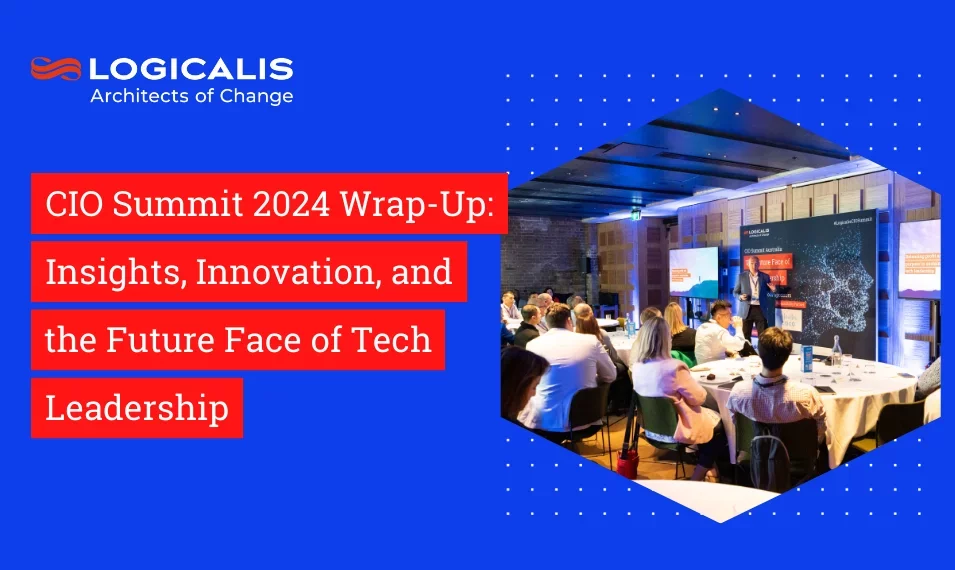
CIO Summit 2024 Wrap-Up: Insights, Innovation, and the Future Face of Tech Leadership
Last month wrapped up the end of the Logicalis global CIO Summit roadshow, culminating in Australia where events were held in both Sydney and Melbourne.
Australia , Nov 13, 2024
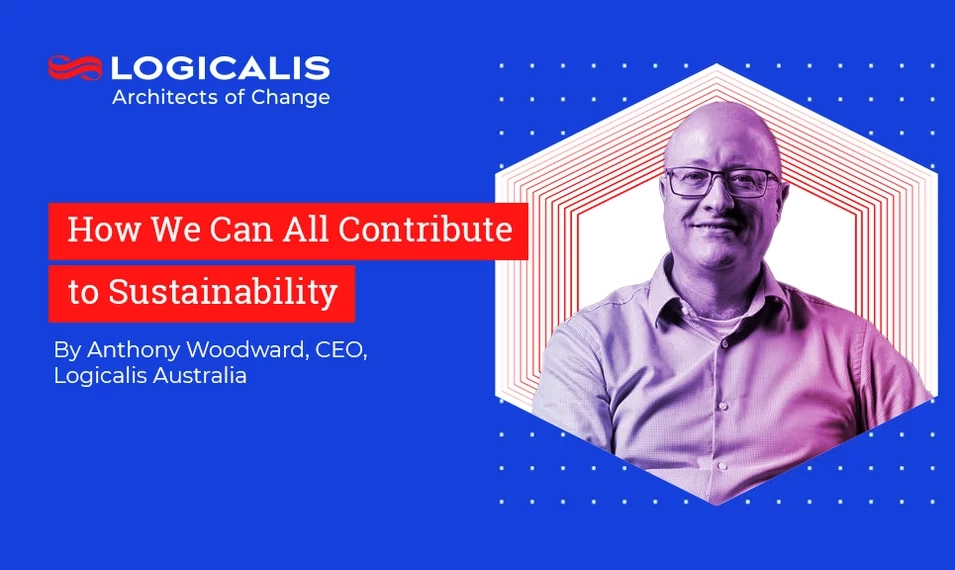
Creating Change: How We Can All Contribute to Sustainability
Last month, our global CEO, Bob Bailkoski, visited Sydney and Melbourne for the final two events on the global CIO Summit Roadshow. In his keynote, Bob reflected on a decade of the Logicalis CIO Report, tracing the journey from 2014's "shadow IT" to today's complex landscape of technological growth, cybersecurity, and increasing regulatory and sustainability demands.
Australia , Nov 11, 2024
The Importance of an Incidence Response Plan
In today’s interconnected world, service outages can have serious repercussions for any organisation, affecting operations, customer trust, and even compliance with regulations. Without a clear plan, teams may make rushed decisions under pressure, leading to greater disruptions or prolonged recovery times.
Australia , Nov 5, 2024
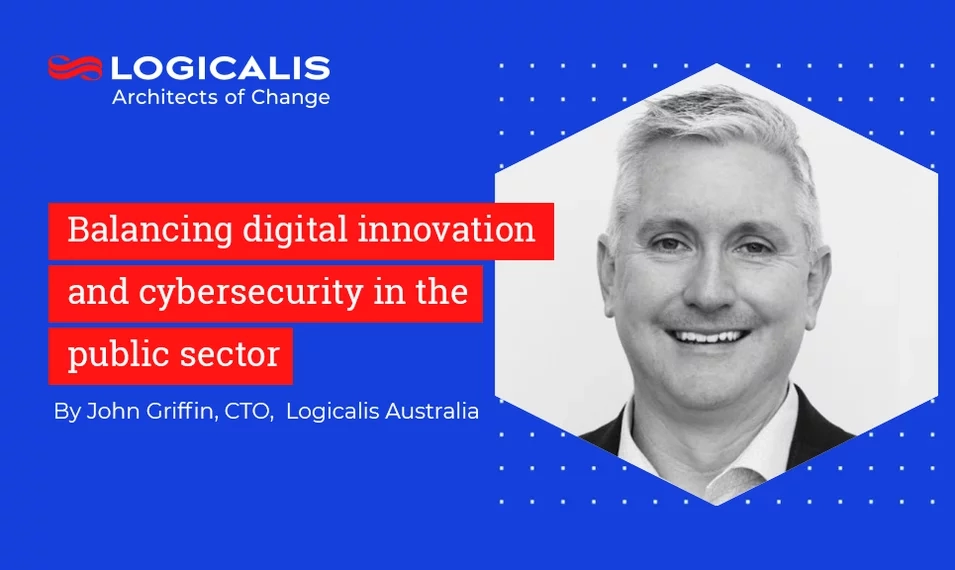
Balancing digital innovation and cybersecurity in the public sector
Balancing risk with digital innovation is a critical priority for government departments, agencies, and organisations as they navigate the complexities of digital transformation.
Australia , Oct 31, 2024
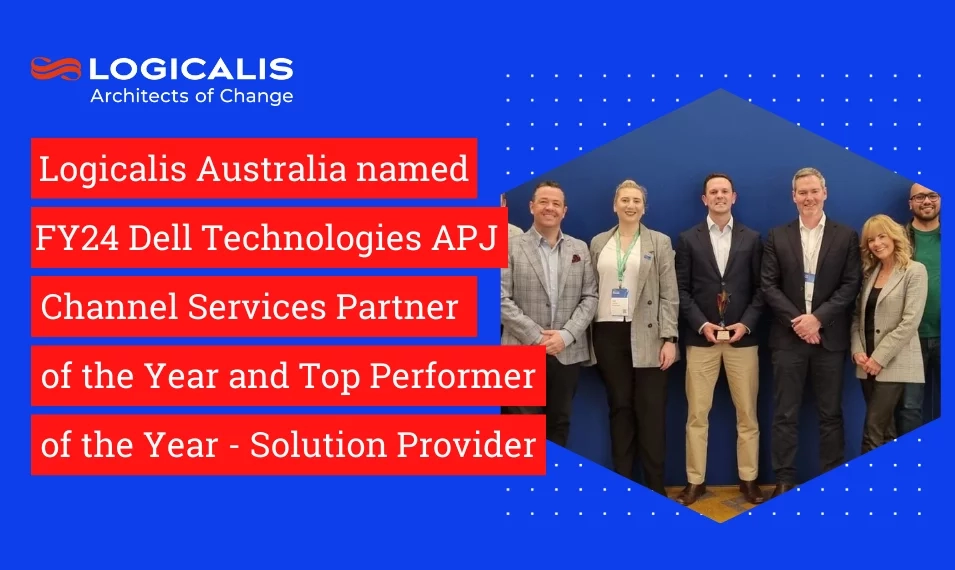
Logicalis Australia named FY24 Dell Technologies APJ Channel Services Partner of the Year and Top Performer of the Year – Solution Provider
Logicalis Australia is thrilled to have been named FY24 Dell Technologies Asia Pacific and Japan (APJ) Channel Services Partner of the Year and also recognised as the Top Performer of the Year – Solution Provider.
Australia , Oct 25, 2024
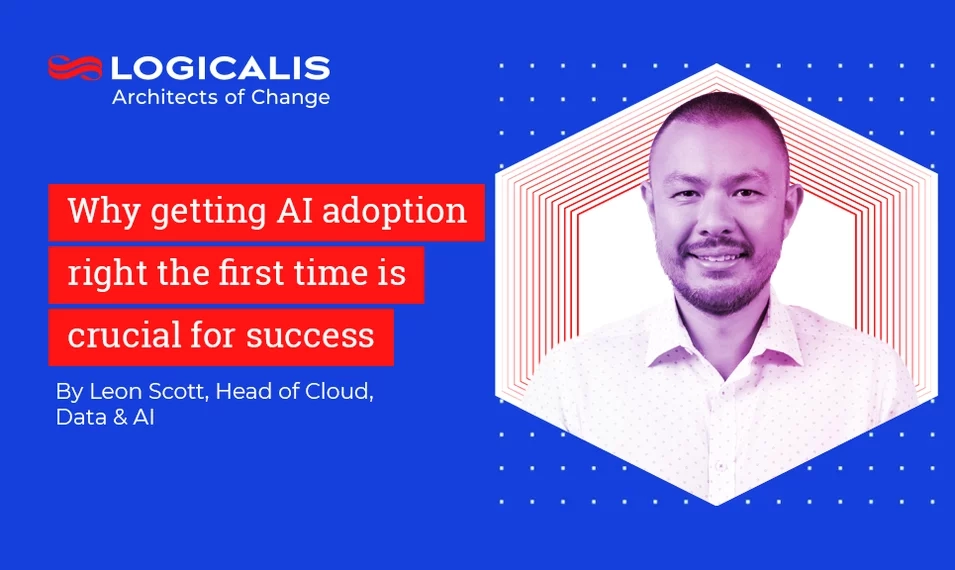
Why getting AI adoption right the first time is crucial for success
The potential of AI is vast, offering opportunities to enhance efficiency, drive innovation, and reshape entire sectors.
Australia , Oct 21, 2024
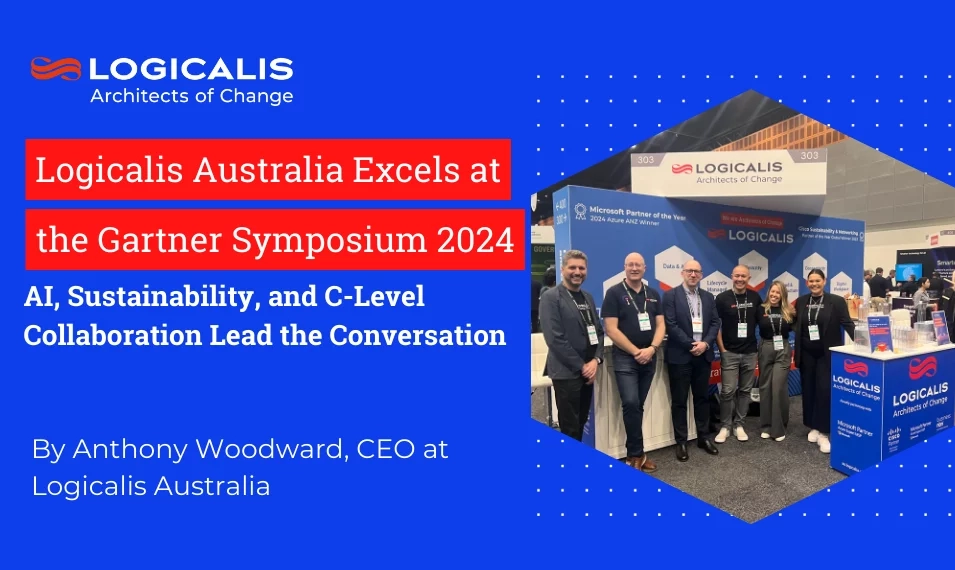
Logicalis Australia Excels at Gartner Symposium 2024: AI, Sustainability, and C-Level Collaboration Lead the Conversation
I recently attended Gartner Symposium 2024 on the Gold Coast, with Logicalis Australia there in force over the three days to build our brand and have plenty of engaging conversations with customers and prospects.
Australia , Sep 13, 2024
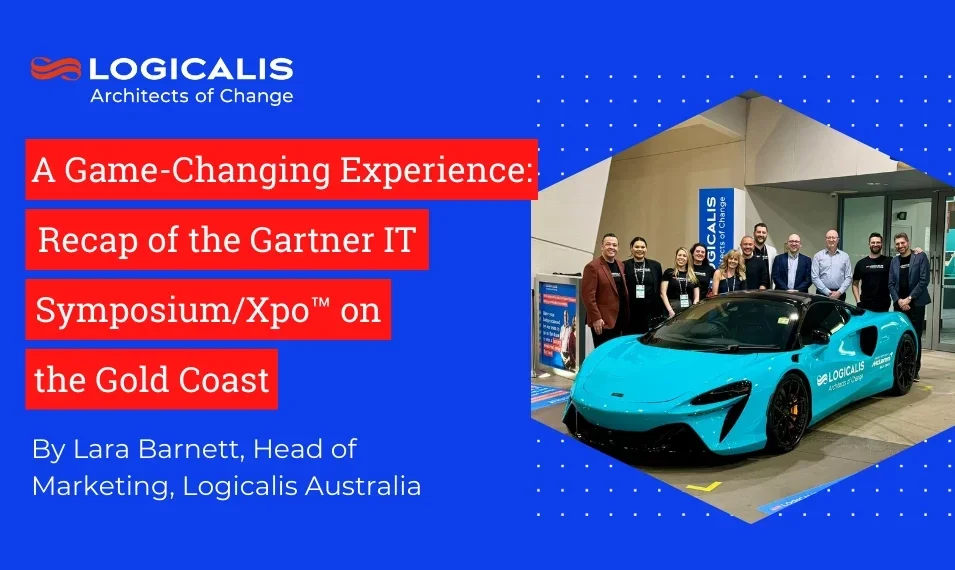
A Game-Changing Experience: Recap of the Gartner IT Symposium/Xpo™ on the Gold Coast
From September 9th to 11th, the Gartner IT Symposium on the Gold Coast brought together over 2,000 IT professionals, including a large contingent from Logicalis Australia.
Australia , Sep 8, 2024
Interview series - Part 2: APAC CEO Chong-Win Lee shares regional trends from the 2024 Logicalis CIO Report
Chong-Win Lee (Win) recently became CEO of Logicalis Asia Pacific, after the company combined its Asian and Australian operations in May 2024.

Australia , Aug 5, 2024
Women in tech: Finding an employer that will support career growth
In her latest article, Dina Knight, Chief People Office at Logicalis shares her insights on what women should look out for when considering organisations that will support their career growth. She draws on her experience at Logicalis to outline her top tips, stretching beyond the broad focus on training and skills development.
Australia , Aug 5, 2024
How can C-level leaders unlock enterprise value through Sustainability?
Sustainability has become a crucial factor in driving enterprise value, but how can C-level executives leverage sustainability to enhance their organisation’s performance, compliance and competitive edge?
Australia , Jul 30, 2024
What to do when there’s no silver lining to your public cloud experience
Like many Australian companies recently, your IT team may have shifted from on-premises infrastructure or hosted data centres across to public cloud to access the many benefits of hyperscale cloud computing. While this shift has helped to bring processes online and empower a hybrid workforce with computing power at scale, in some cases it has led to unexpected bill shock each month.
Australia , Jul 25, 2024
AI: Security risk versus business reward in a hybrid working world
Protect your organisation from cyber threats with AI powered security solutions. Enable flexible working while ensuring data privacy and protection. Read Bob Bailkoski's article originally published in Forbes.
Australia , Jul 16, 2024
Interview series - Part 1: APAC CEO Chong-Win Lee shares regional trends from the 2024 Logicalis CIO Report
Chong-Win Lee (Win) recently became CEO of Logicalis Asia Pacific, after the company combined its Asian and Australian operations in May 2024.

Australia , Jun 26, 2024
CEO Sleepout - A day in the life
IoT technologies, AI, and advanced data analytics are shaping up as business-critical solutions that can give Australian companies a significant competitive edge.
Australia , May 30, 2024
Good AI. Bad AI.
Discover how AI-driven security solutions analyse network activity, detect anomalies, and predict potential exploits. Protect your business from emerging threats with our advanced AI technology.

Australia , May 30, 2024
How Logicalis is strengthening cybersecurity for a secure future
Discover how Logicalis' Intelligent Security solution leverages advanced technologies and proactive strategies to provide comprehensive threat protection, detection, and response capabilities for your business. Stay ahead of the ever-growing cybersecurity threat landscape.

Australia , May 29, 2024
The triple bottom line: People, planet & profit
In today's fast changing business world, sustainability isn’t just an option – it’s a must for all industries, including IT. Leading the charge in sustainability not only benefits the planet but it also affects people and profits, aligning with the concept of the triple bottom line.
Australia , May 29, 2024
Empowering productivity with enhanced IoT security approaches
IoT technologies, AI, and advanced data analytics are shaping up as business-critical solutions that can give Australian companies a significant competitive edge.

Australia , May 1, 2024
Re think Security in the era of AI
Discover how an intelligent approach to security and leveraging AI can protect your workplace, connectivity, and cloud infrastructure. Download our whitepaper now.

Australia , Apr 26, 2024
Optimise your journey with these effective steps to cloud migration
Cloud computing is fast becoming critical for organisations that need to work from anywhere, optimise costs, scale the business up or down, or empower company-wide innovation.

Australia , Apr 15, 2024
Logicalis named Australian Microsoft Leader
Logicalis has been named leader in two quadrants of the ISG Microsoft ecosystem report.
Australia , Apr 15, 2024
Top tech trends in cybersecurity spearheading digital change
Cybersecurity is an essential consideration for any organisation undergoing digital transformation. While the focus on cybersecurity in Australia has undoubtedly increased due to rising cybercrime and several high-profile attacks, current trends are causing businesses to rethink their approach.
Australia , Apr 1, 2024
A decade of insight reveals the future of tech leadership in the Logicalis Global CIO Report 2024
In the ever-changing landscape of tech leadership, we are pleased to deliver the first Australian CIO Report, offering a localised perspective on the global findings.
Australia , Mar 26, 2024
Building a Zero Trust Culture at Work
The way we work together in modern business has changed in recent years. We're increasingly relying on collaboration and co-delivery with partner organisations to achieve business goals and remain competitive.
Australia , Mar 7, 2024
Make Cyber-attacks Harder with Application Hardening
For a head of IT or a Chief Security Officer, there's nothing greater than power and control, except perhaps for coming in under budget and on time for a project.

Australia , Dec 12, 2023
Zero Trust - The 3 Guiding Principles
In a recent blog, we discussed what Zero Trust actually is and how it is the cornerstone to businesses and organisations in today’s rapidly evolving threat landscape.
Australia , Dec 12, 2023
Zero Trust – Is it all just hype?
Zero Trust is everywhere. Seemingly replacing ‘Digital Transformation’, it has rapidly become the new darling of the marketing word of our time. Yet beneath the marketing veneer, it has fundamental message that everyone should take note of; it will help protect your organisation, your people and your reputation.
Australia , Dec 8, 2023
ChatGPT and AI chatbots – Is my organisation at risk?
Learn from our Logicalis Australia experts about how ChatGPT and AI chatbots could either enable or shake-up your business processes.

Australia , Dec 8, 2023
IT Ops isn’t changing…it’s changed
For years, the management of IT has been moving away from reactive BAU support (break-fix) and moving towards a more proactive support model. For some organisations the change is still happening; however, for the vast majority, the change has already occurred.
Australia , Nov 13, 2023
Logicalis named 2023 Cisco Global Enterprise Networking and Meraki Partner of the Year for the second consecutive year
Last week, we proudly received the 2023 Cisco Global Enterprise Networking and Meraki Partner of the Year award during Cisco’s annual Partner Summit. The award recognised Logicalis' global capability in Enterprise networking, with Logicalis Portugal receiving a special mention for their standout contribution to driving Intelligent Connectivity managed services to customers in Portugal.

Australia , Nov 13, 2023
Logicalis named inaugural 2023 Cisco Global Sustainability Partner of the Year
Last week, we were honoured to receive the inaugural 2023 Cisco Global Sustainability Partner of the Year award during Cisco's Global Partner Summit event in Miami. This prestigious accolade acknowledges Logicalis' exceptional sustainability achievements and success in helping customers reduce the environmental impact of their digital ecosystems across the globe.
Australia , Oct 24, 2023
Choosing the right MSSP -Top 5 credentials to look for when selecting a MSSP
Our recent CIO survey shows over half of respondents plan to increase their risk management investment. They also consider malware and ransomware significant risks that their organisations will face in the coming year.

Australia , Sep 21, 2023
The power of next generation connectivity
To be able to succeed, leaders need to create environments that can adapt to maximise opportunities, mitigate risks and most importantly be able to scale both securely and sustainably. The key to this is connectivity.

Australia , Aug 9, 2023
Logicalis celebrates incredible growth of Microsoft performance
FY23 has been an extraordinary year for Logicalis’s Microsoft partnership. We’ve seen 60% year-on-year growth reflecting our unwavering commitment to helping customers deliver business value through digital transformation.
Australia , Jul 10, 2023
Employee Burnout: Addressing the Root Causes and Empowering Leaders to Combat It
Employee burnout has become an increasingly alarming concern in recent years, and the COVID-19 pandemic has only exacerbated the issue. With the pandemic forcing many employees to work remotely, isolation and blurred boundaries between work and home life have led to a significant increase in burnout cases.
Australia , May 12, 2023
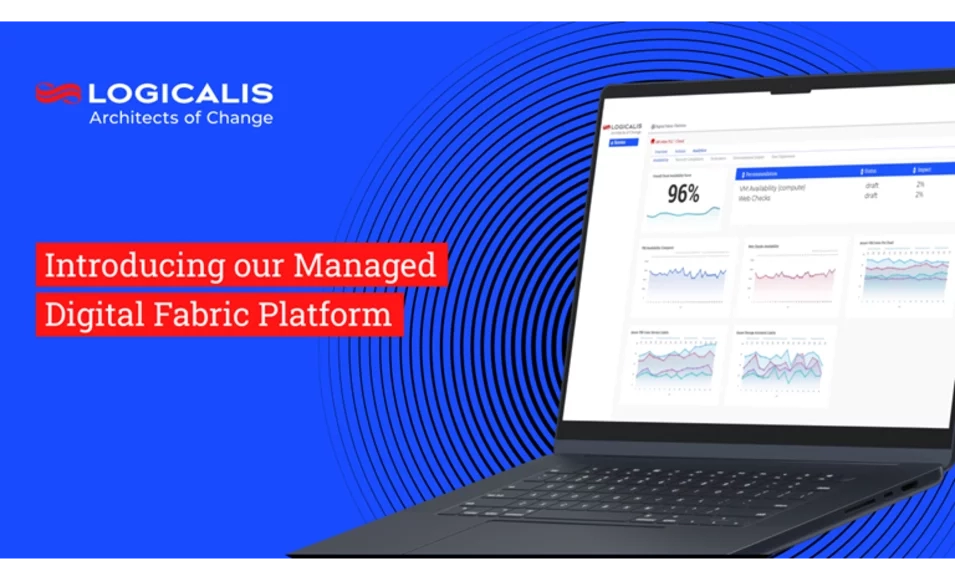
Introducing our Managed Digital Fabric Platform
Hear from Logicalis CTO, Toby Alcock, as he describes the challenges customers are facing and how our Digital Fabric Platformm can enable them to drive business outcomes.

Australia , Apr 7, 2022
Rethink security for adaptability
Security is one of the biggest challenges that any organisation can face. As businesses look to adopt a hybrid approach, the lack of a clearly definable network perimeter has undoubtedly increased the risk of threat and attack substantially.
Australia , Jan 20, 2022
Modern workspaces need modern security to succeed
Discover how integrating security into your hybrid office environment can empower innovation, accelerate agility, and provide visibility over new opportunities while keeping your business safe.

Australia , Nov 24, 2021
Cisco and Logicalis share three top myths affecting business growth
To compete in the modern marketplace, businesses need to be able to adapt to opportunities in real-time which requires unprecedented digital agility and flexibility. However, the traditional view of security is no longer fit for purpose in this increasingly digital world.

Australia , Oct 21, 2021
The importance of advancing innovation for security
Since the pandemic there has been a triple digit increase in cybersecurity intrusions during the first half of 2021, with incidents up by 125% year-on-year driven by a potent mixture of web shell activity, targeted ransomware and extortion operations, and supply chain intrusions.

Australia , Oct 13, 2021
Reinventing cybersecurity with AI
The ability for companies to be able to safeguard their people, information, and systems has never been more crucial. In the aftermath of the pandemic, organisations are seizing the opportunity to reimagine processes and redesign architecture.
Australia , Oct 7, 2021
How can CISOs better protect operations and data for the future?
By partnering with an MSP with security expertise, CISOs will not only better protect their operations and company data, but also future-proof their security strategy by leveraging the ongoing innovation of creative solutions and services that MSPs are constantly delivering.
Australia , Sep 23, 2021
Has cybersecurity become too complex to manage alone?
As businesses rise to meet the challenge of the always on digital workspace, the pressure on IT staff is growing. How can businesses balance the need for empowering employees in their work lives, whilst mitigating security risks that this way of working presents?

Australia , Jun 9, 2021
Why cybersecurity needs to be a top priority for the C-Suite today
Protect your organisation from cyber risks with an effective cybersecurity strategy for remote and hybrid working. Learn how to minimize vulnerabilities and enhance compliance.

Australia , Mar 22, 2021
Taking a holistic approach to security for success
Protect your organisation from sophisticated cyber attacks. Discover the importance of secure managed services and overcoming integration issues in the security market.